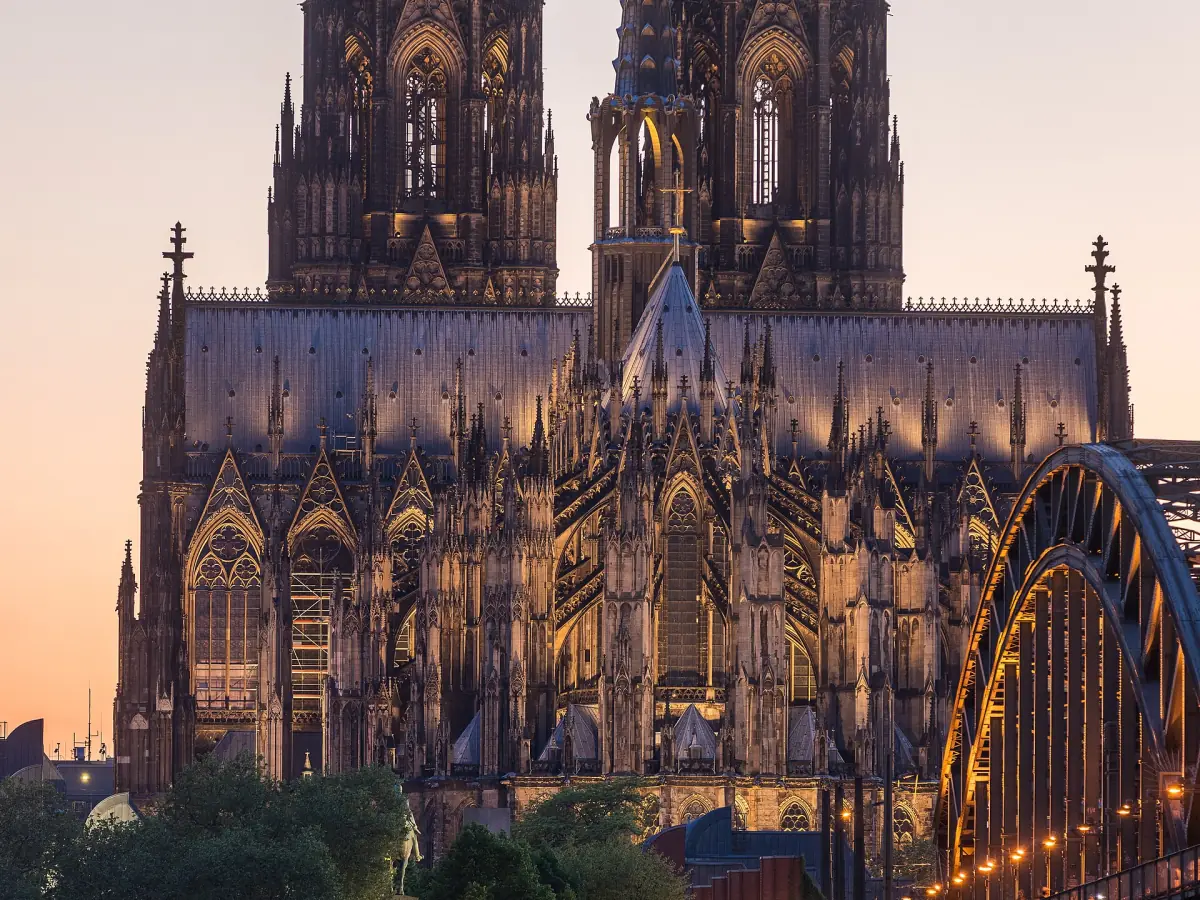
Cologne Cathedral history in short
The history of Cologne Cathedral starts on 15 August 1248, when Archbishop Konrad von Hochstaden laid the foundation stone. The first master builder was Master Gerhard. The choir was consecrated in 1322. Then the work slowed and, after 1520, stopped. It started again in the 19th century and the cathedral was finished in 1880.
Counted from the first stone to the last, that is 632 years. It was not 632 years of building, though. There was a long interruption, so the number only measures the span between start and completion. The cathedral is a Catholic church and the seat of the archbishop. UNESCO added it to the World Heritage list in 1996.
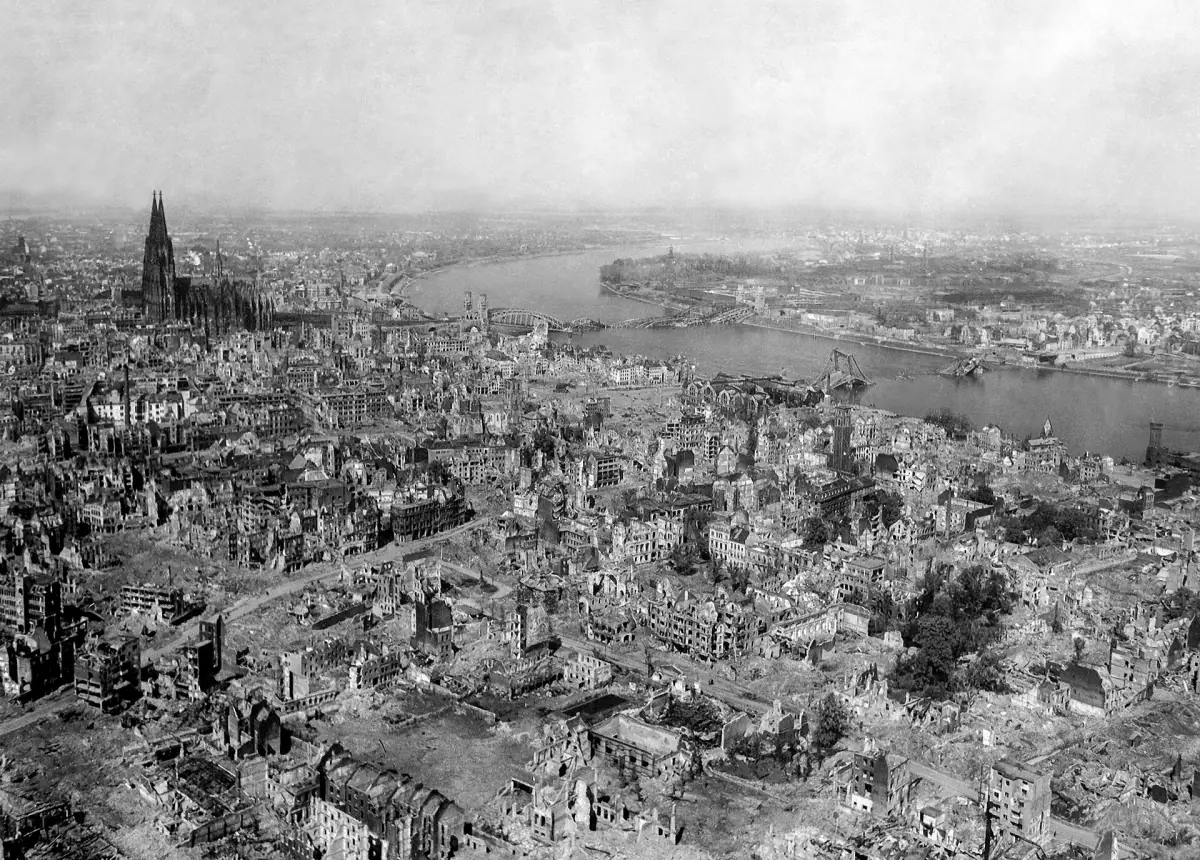
Timeline from 1164 to 1956
The main dates in order.
| Year | What happened |
|---|---|
| 1164 | The relics venerated as the remains of the Three Kings are brought from Milan to Cologne |
| 1248 | Foundation stone of the Gothic cathedral |
| 1322 | Consecration of the choir |
| After 1520 | Building work is stopped |
| 1794 | The shrine is moved to safety from French troops |
| 1822 to 1824 | The cathedral workshop is re-established, at first for repairs |
| 1842 | A new foundation stone starts the completion |
| 1860 to 1861 | Iron roof structures go over the nave and transept |
| 1880 | The cathedral is completed |
| 1948 | Choir and transept repaired after the war |
| 1956 | Nave repaired after the war |
The work stopped after 1520, and other parts had been built further before that.
From the foundation stone to the choir
The medieval building phase.
Why a cathedral here
The relics venerated as the remains of the Three Kings arrived in Cologne in 1164. The gold shrine that holds them is a main work of the cathedral. The religious attribution is church tradition and not a scientific identification. Read more on the page about the Shrine of the Three Kings.
Master Gerhard and the choir
Master Gerhard was the first master builder. The choir was consecrated in 1322.
The long pause
After 1520 the building stopped. Large parts were unfinished. Think of this period as an interruption, not as steady construction.
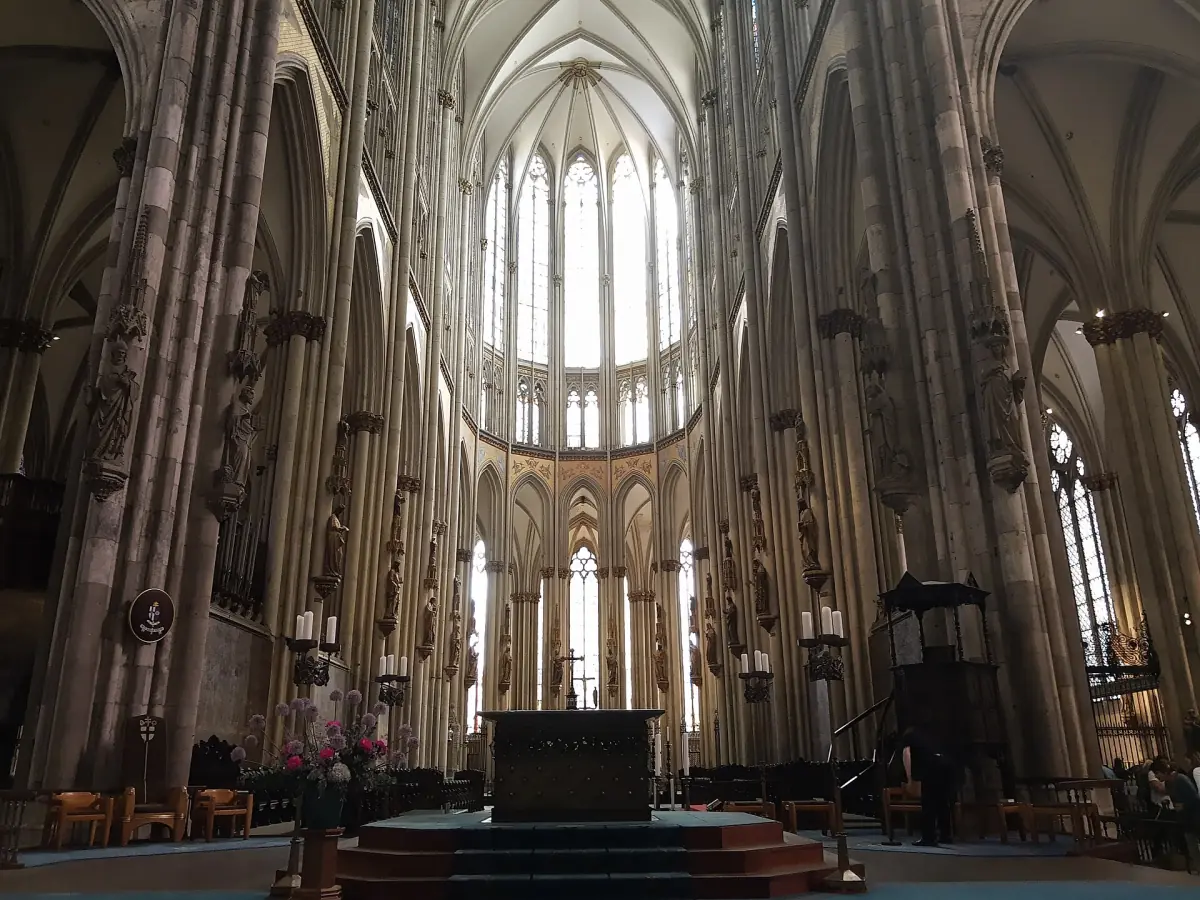
What this means for a visit
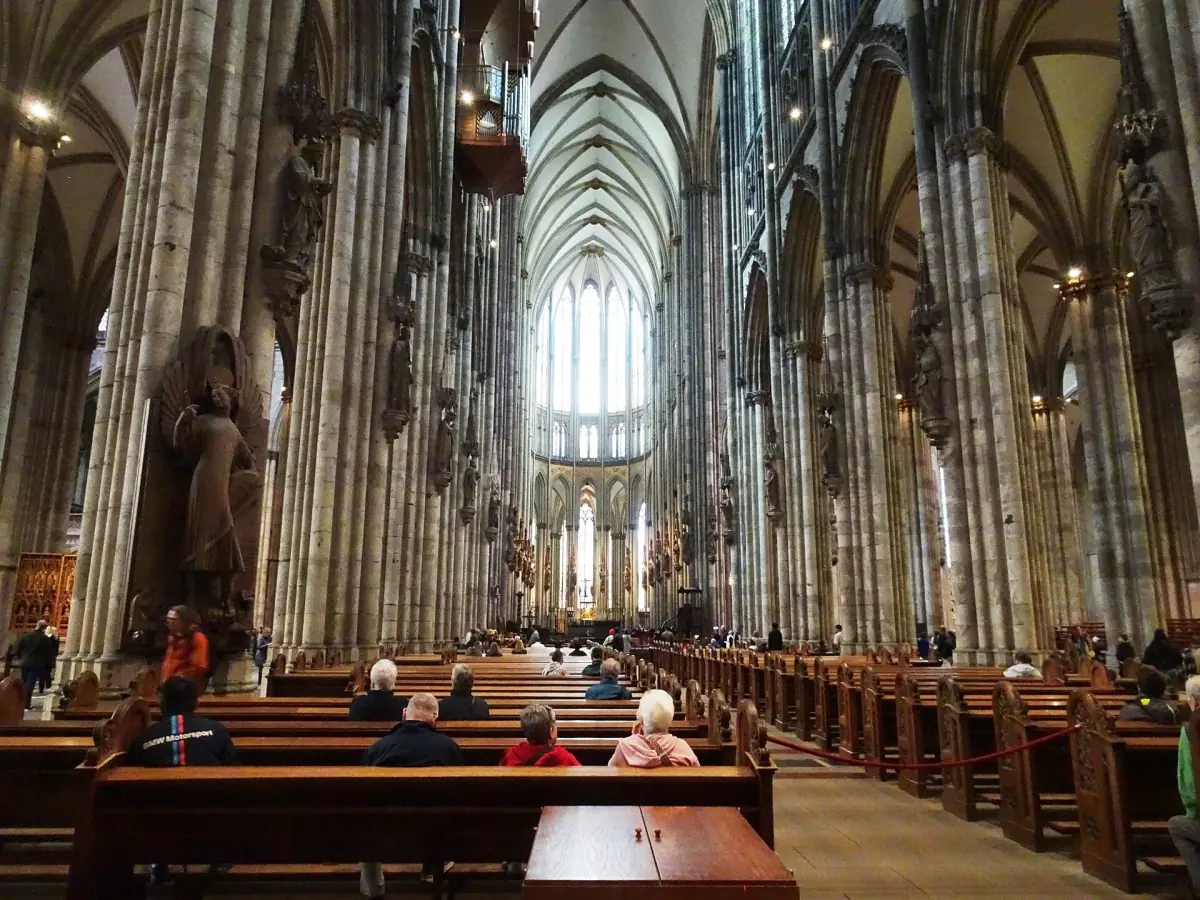
The cathedral keeps one medieval design despite the long building phases, so the oldest and the youngest parts fit together. The page on Cologne Cathedral architecture shows which parts belong to which period.
Our pick: history at night
The night watchman tells the old town's past on an evening walk in German.
Hand-picked tours, booked through GetYourGuide. Prices are indicative starting prices in euros (as of October 2026). Tap a tour for live availability and the current price in your currency.
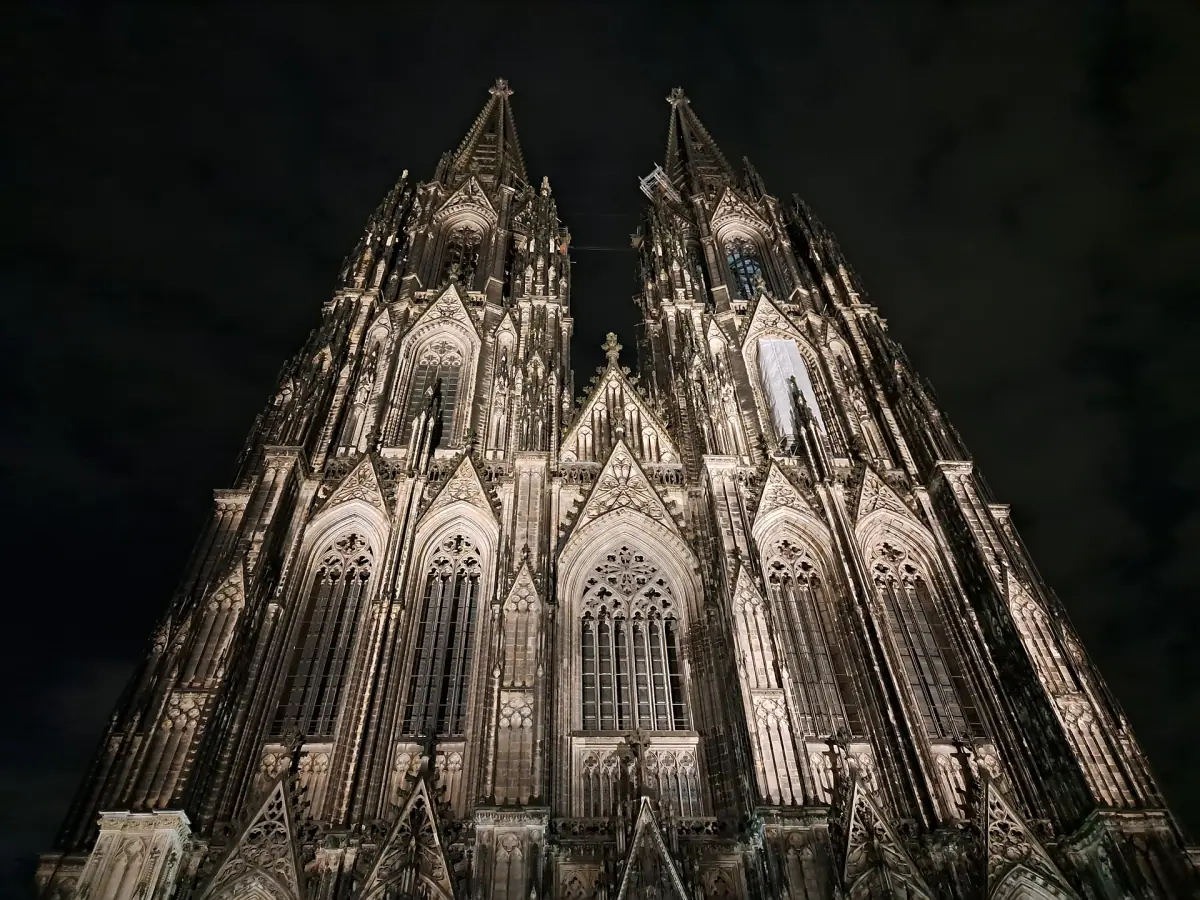
Cologne Cathedral tours and city walks
Guided visits to the cathedral and its surroundings, with live prices and availability.
Completion in the 19th century
1822 to 1880.
The cathedral workshop returns
The workshop was re-established between 1822 and 1824. It began with repairs of what stood. A new foundation stone in 1842 marked the start of the real completion. The building was expanded through the 19th century and finished in 1880.
Iron above the vaults
Over the nave and the transept the builders put iron structures in 1860 and 1861. So the roof space is not a purely medieval timber frame.
Care never stopped
Stone weathers. The workshop still restores worn stonework and protects historic windows. That is why work on one part or another is normal.
See the 1880 result
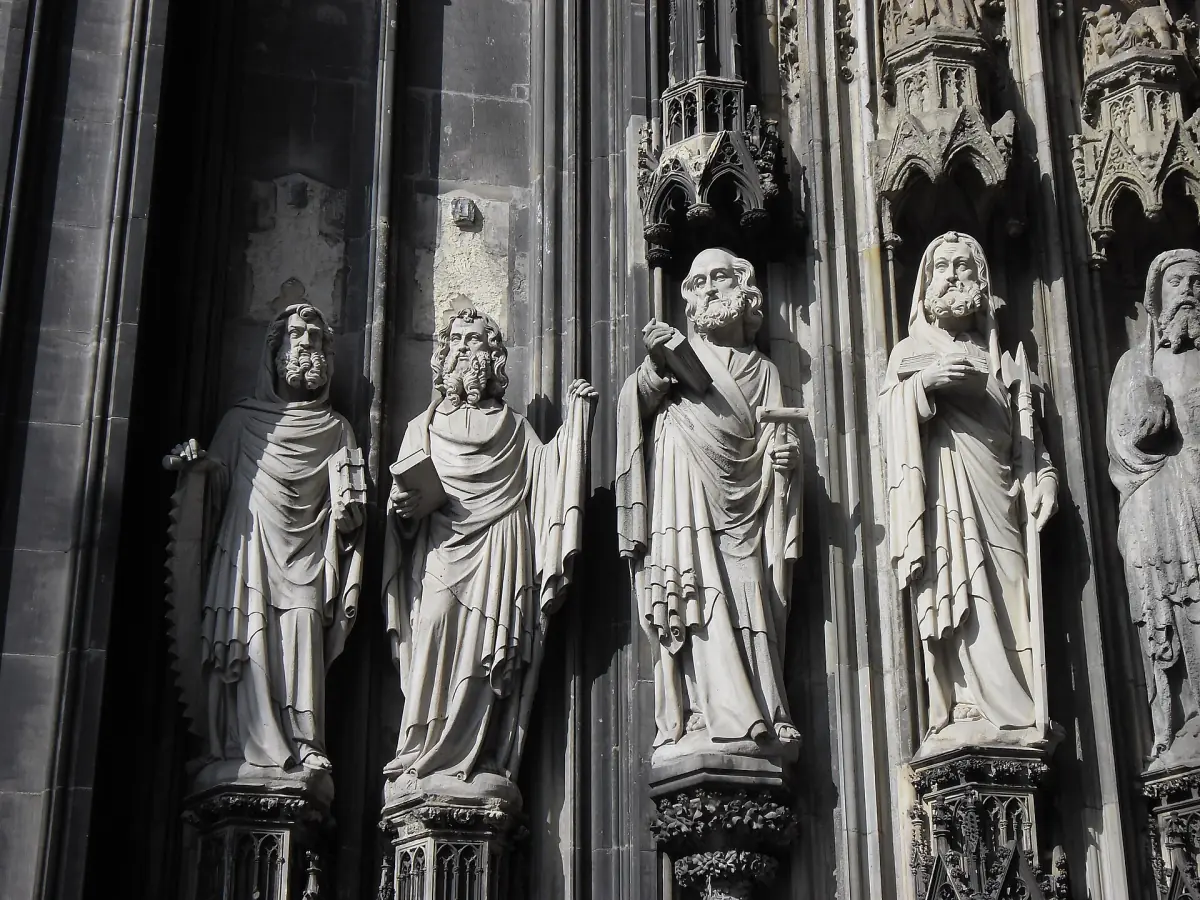
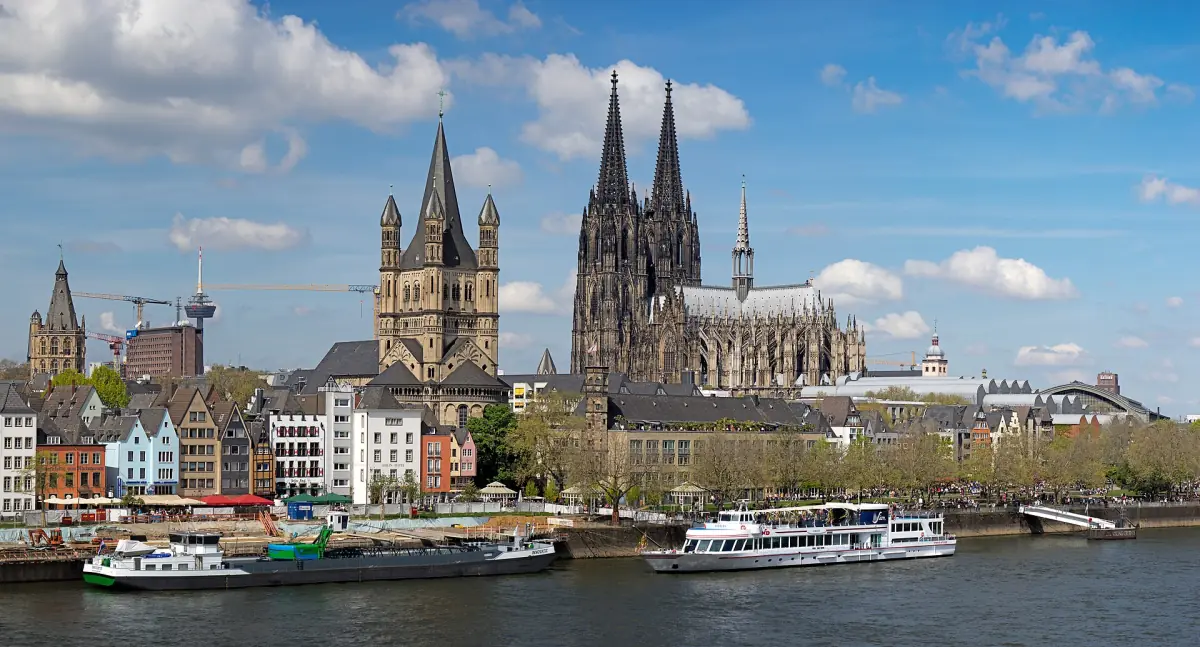
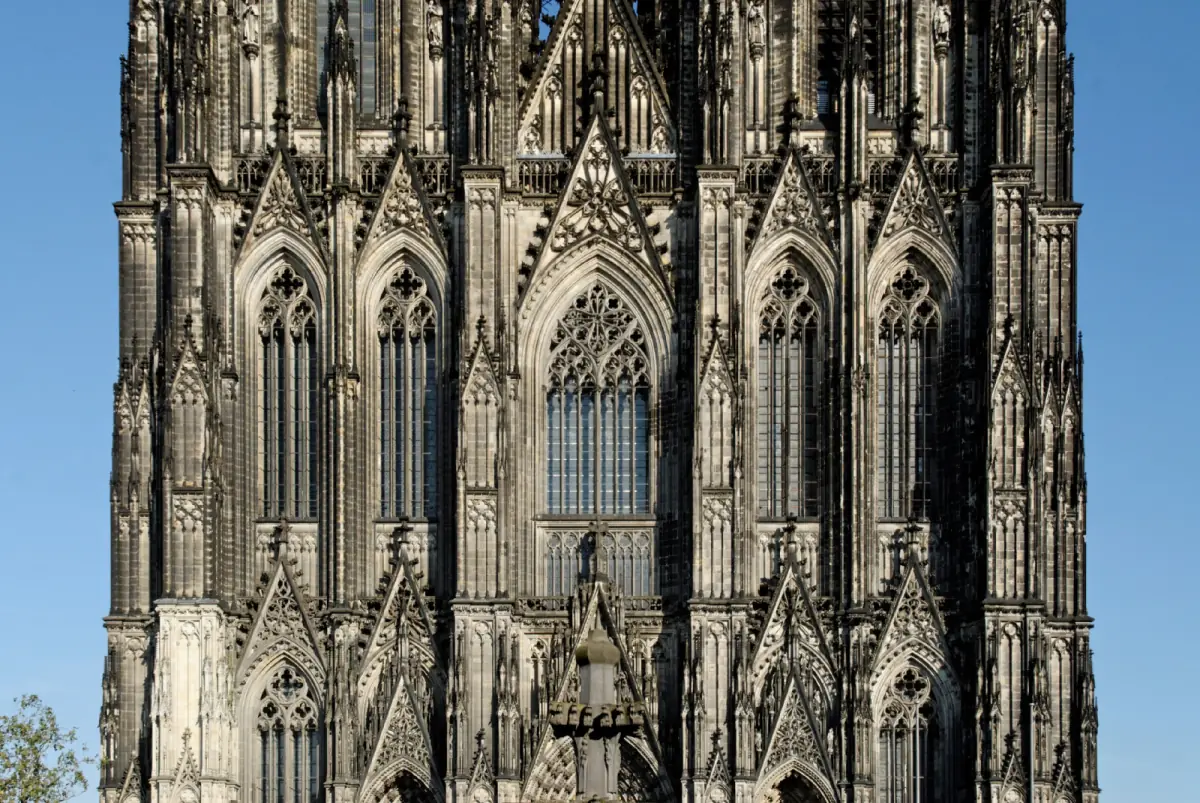
The west front has two towers. Details such as the figures at the west portal reward a close look.
The cathedral in the Second World War
Damage and repair.
The cathedral did not come through the war unharmed. It was hit by 14 heavy explosive bombs and more than 70 incendiary bomb strikes. Vaults, windows and furnishings were badly damaged. The cathedral still stood in 1945, with a ruined city around it.
Repairs took years. The choir and transept were restored by 1948 and the nave by 1956. Work on the building did not end there. Weathering and war damage still need repairs, which is why parts of the cathedral are often covered.
A living building
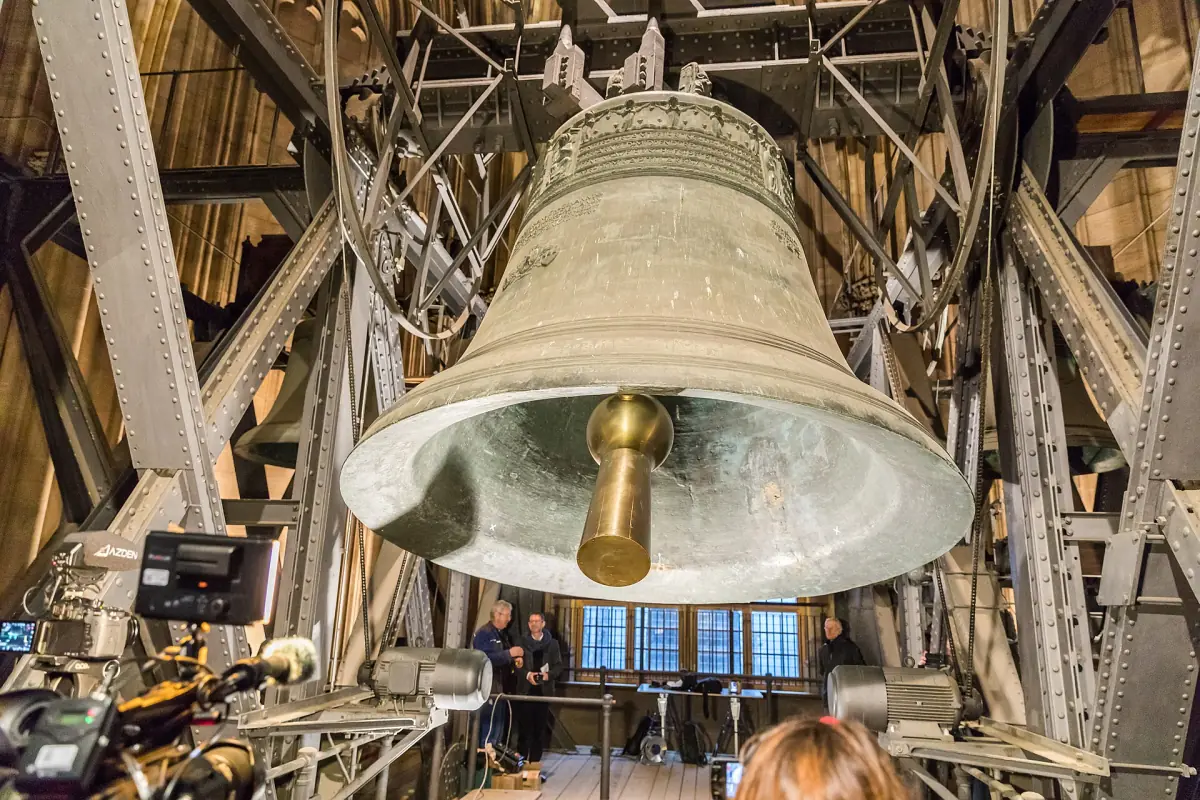
The cathedral has 12 bells. The Peter bell, known in Cologne as "Decker Pitter", weighs about 24 tonnes and has a diameter of 3.22 m. It was cast on 5 May 1923. It hangs in the south tower. The south tower is also the one you can climb. See the tower climb guide for steps, hours and prices.
World Heritage and a tall-building dispute
UNESCO listed the cathedral in 1996. From 2004 to 2006 it was on the List of World Heritage in Danger because of a dispute over a high-rise and the view of the cathedral.
Cologne Cathedral history: frequently asked questions
When was Cologne Cathedral built?
The foundation stone was laid on 15 August 1248. The cathedral was completed in 1880. The choir was consecrated in 1322, and the work paused for a long time after 1520.
How long did it take to build Cologne Cathedral?
From the first stone in 1248 to completion in 1880 is 632 years. That is the span between start and finish. Work was interrupted for a long time, so it was not continuous.
Did Cologne Cathedral survive the Second World War?
Yes, but it was badly damaged. It took 14 heavy explosive bombs and more than 70 incendiary strikes. The choir and transept were restored by 1948 and the nave by 1956.
Why is Cologne Cathedral so famous?
It is a large Gothic cathedral with a long, unusual building history. It holds the Shrine of the Three Kings and is a World Heritage site since 1996.
Is this the official Cologne Cathedral website?
No. This is an independent visitor guide. For the church's own announcements, such as services and closures, use the notices at the cathedral.